
Chronic inflammation can quietly wear down your joints, drain your energy, and limit your daily life. Many people deal with it for years without finding real relief.
Regenerative cell therapy offers a different way to approach this problem, and more patients now turn to regenerative medicine as a path toward lasting comfort.
This article explains what chronic inflammation does to your body, how regenerative cell therapy works, and whether it might help you feel better.
Quick answer: Regenerative cell therapy may help reduce chronic inflammation by encouraging the body to repair damaged tissue and calm an overactive immune response. It won’t erase every cause of inflammation, but it gives your joints and soft tissue a real chance to heal instead of just covering up the pain.
What Chronic Inflammation Does to Your Body
Your body uses inflammation to protect itself. When you sprain an ankle, swelling rushes in to start the healing process. This kind of inflammation fades once the injury heals.
Chronic inflammation works differently. It sticks around for months or years. Your immune system keeps sending out inflammatory signals even when there’s no clear injury left to fix.
Doctors often link long-term inflammation to joint pain, arthritis, fatigue, and slower healing. Over time, it can wear down cartilage and soft tissue faster than your body can repair it. Inflammatory markers called cytokines drive much of this process, and high levels keep your tissue stuck in a constant state of stress.
How Regenerative Cell Therapy Targets Inflammation
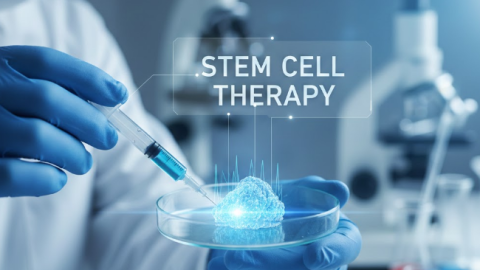
Regenerative cell therapy uses cells from your own body to support healing. A doctor collects these cells from places like bone marrow or blood, concentrates them, and places them directly into the area that needs repair.
These cells do two things at once. They help rebuild damaged tissue, and they send signals that calm an overactive immune response.
This matters for chronic inflammation because the cells target the actual problem instead of masking it. Pain medication can quiet symptoms for a while, but it doesn’t repair tissue or settle the immune system.
Two common forms of this approach are stem cell therapy and PRP therapy, and both fall under the broader umbrella of regenerative medicine.
Why Regenerative Medicine Keeps Coming Up in Chronic Pain Care
More pain specialists bring up regenerative medicine because it works with the body instead of against it. Patients want options that repair damage rather than just numb it.
According to the research published in the National Library of Medicine, cell-based treatments show that certain cells can lower inflammatory signals in the blood, including markers tied to autoimmune conditions like rheumatoid arthritis. This research keeps developing, but the early signs point toward real benefits for people dealing with chronic inflammation.
What This Could Mean for Chronic Joint and Spine Pain
Chronic inflammation often settles into joints and the spine. Knees, hips, shoulders, and the lower back are most affected.
A pain management doctor can use regenerative cell therapy to target these specific areas. The treatment goes directly into the joint or tissue that needs help, rather than working through your entire body the way oral medication does.
This local approach matters for people who deal with ongoing arthritis pain or old injuries that never fully healed. The goal is steady improvement, not a quick fix that wears off in a few weeks.
At Innovative Pain Solutions in Orlando, Dr. Rajan Kalia works with patients who want this kind of targeted care for chronic joint pain and inflammation. He builds a personalized plan instead of applying the same protocol to every patient.
Who Should Consider Regenerative Cell Therapy Treatment?
People with arthritis, tendon damage, or joint inflammation often see the clearest results. Athletes recovering from old injuries also turn to this option.
Chronic inflammation doesn’t look the same in every person, so results vary from one patient to the next. Some patients see improvement within a few weeks. Others need more time and more than one treatment.
A qualified doctor will review your health history before recommending regenerative cell therapy. This step matters because not every condition responds the same way to cell-based treatment.
Is Regenerative Cell Therapy Right for You?
Chronic inflammation doesn’t have to control your life. Regenerative cell therapy gives your body real tools to repair tissue and quiet an overactive immune response, instead of just hiding the pain for a while.
Regenerative medicine won’t solve every case of inflammation overnight. It works best as part of a complete plan that includes movement, rest, and guidance from a trained doctor.
If chronic inflammation has slowed you down, talk with a pain specialist about whether this approach fits your situation. The team at Innovative Pain Solutions can walk you through your options and build a plan around your specific needs.
Frequently Asked Questions
What are the side effects of regenerative cell therapy?
Most patients deal with mild soreness or swelling at the injection site for a day or two. Since the treatment uses your own cells, the risk of rejection or infection stays low. Serious side effects are rare. Your doctor will explain what to expect based on your treatment and your health history before you begin.
Does insurance cover regenerative cell therapy for inflammation?
Most insurance plans don’t cover regenerative cell therapy yet, since many providers still classify it as an emerging treatment. Some clinics accept HSA or FSA funds, and payment plans are often available. Ask your provider’s office directly about cost, since pricing depends on the area treated and the type of therapy you choose.
Can lifestyle changes improve the results of regenerative cell therapy?
Yes. Eating an anti-inflammatory diet, staying active within your limits, and getting enough sleep all support healing. Smoking and high stress levels can slow recovery and reduce results. Your doctor may suggest specific changes based on your condition, since the body heals best when inflammation gets calmed from multiple directions at once.