
If your knees, shoulders, or hips have been barking at you for months, you already know how frustrating chronic joint pain can be. You’ve probably tried rest, ice, and maybe even a cortisone shot or two. So which way should you go next? We’re breaking down regenerative medicine versus cortisone injections so you can make a choice that actually fits your life.
What Is Regenerative Medicine and How Does It Work?
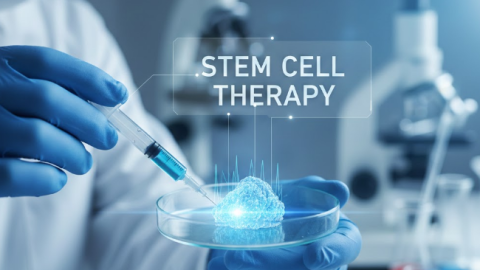
Regenerative medicine uses your body’s own healing tools to repair damaged tissue. Think platelet-rich plasma (PRP) and stem cell therapy. Both approaches pull healing cells or growth factors from your own blood or tissue, then inject them into the injured area to kickstart repair.
Unlike medications that just mask pain, regenerative cell therapy targets the actual source of the problem. It encourages your body to rebuild cartilage, calm inflammation, and strengthen damaged tendons over time.
What Are Cortisone Injections and How Do They Help?
Cortisone injections are a common non-surgical pain management option. They deliver a strong anti-inflammatory steroid directly into the joint. This reduces swelling and pain fast, often within a few days.
The catch? Cortisone doesn’t fix the underlying damage. It just quiets the inflammation for a while. That’s why most doctors limit how many cortisone shots you can get each year.
Regenerative Medicine vs Cortisone: A Side-by-Side Look
Here’s how regenerative medicine and cortisone stack up for people dealing with osteoarthritis, cartilage damage, or tendon injuries.
Speed of relief
Cortisone tends to work faster, sometimes within 48 hours. Regenerative cell therapies, such as PRP therapy and stem cell treatments, take longer, usually a few weeks, because they’re triggering actual tissue healing.
How long relief lasts
This is where regenerative medicine really shines. Cortisone relief often fades within a few weeks to a few months. Regenerative treatments can provide relief that lasts a year or longer since they address the root cause instead of covering it up.
Effect on joint tissue
Repeated cortisone shots can actually weaken cartilage and surrounding tissue over time. Regenerative medicine is designed to support tissue healing instead of breaking it down further.
Number of treatments needed
Cortisone can be repeated, but doctors usually cap it at three to four shots a year per joint. Regenerative medicine plans vary by patient, but many people see lasting improvement after a short series of treatments.
Who Are Good Candidates for Regenerative Medicine and Cortisone?
Cortisone injections tend to work best for people who need short-term relief for an upcoming event, or those with mild inflammation that hasn’t caused major joint damage yet.
Regenerative medicine is often recommended for people with moderate osteoarthritis, chronic tendon injuries, or those hoping to delay or avoid surgery altogether. If you’ve already tried cortisone without lasting success, this might be your next step.
Why Regenerative Medicine Matter for Orlando Patients
Orlando’s active lifestyle, think golf, tennis, theme park walking marathons, and year-round outdoor activity, puts a lot of stress on joints. Many of our patients want a non-surgical pain management option that keeps them moving without constant flare-ups. A good pain management clinic in Orlando will walk you through both options honestly instead of pushing one treatment for everyone.
Making the Right Choice for Your Joint Pain
There’s no one-size-fits-all answer here. Your joint’s condition, your activity level, and your long-term goals all matter. A proper evaluation, including imaging and a review of your medical history, helps determine whether cortisone, regenerative medicine, or a combination approach makes the most sense for you.
The good news is that minimally invasive pain management treatment options exist for nearly every stage of joint pain. You don’t have to jump straight to surgery to get real, lasting relief.
Frequently Asked Questions
Does regenerative medicine last longer than cortisone injections?
Yes, in most cases. Regenerative medicine targets tissue healing at the source, so relief tends to last months to years longer than cortisone, which only reduces inflammation temporarily.
How many regenerative medicine treatments are usually needed for joint pain?
Most patients need one to three regenerative medicine sessions spaced several weeks apart, depending on the severity of cartilage damage or tendon injury and how the body responds to treatment.
Can cortisone injections make joint damage worse over time?
Repeated cortisone use can weaken cartilage and soft tissue around the joint. This is why doctors limit the number of injections given per year in the same joint.
Is regenerative cell therapy safe for people with osteoarthritis?
Yes, regenerative cell therapy is considered a safe, minimally invasive treatment for many osteoarthritis patients since it uses the body’s own cells rather than synthetic drugs.
How soon can I return to normal activity after regenerative cell therapy?
Most patients resume light activity within a few days and full activity within a few weeks after regenerative cell therapy, though healing timelines vary based on the joint treated and injury severity.