
Numbness, tingling, or weakness that gets worse when you walk or stand could be a sign of spinal stenosis.
This condition narrows the spaces in your spine, putting pressure on nerves and causing pain that can radiate into the legs.
Most people with spinal stenosis do not need surgery right away. Many find real relief through conservative and minimally invasive spinal stenosis treatment options.
But surgery does become necessary in certain cases. This guide explains exactly when that line gets crossed.
Quick Answer
Surgery becomes necessary for spinal stenosis when conservative spinal stenosis treatment, such as physical therapy, medication, and epidural injections, fails to relieve pain after several months. Surgery is also recommended sooner if there is progressive weakness, loss of bladder or bowel control, or difficulty walking due to nerve compression. Most patients try non-surgical treatment first under the guidance of a pain management specialist.
What Is Spinal Stenosis?
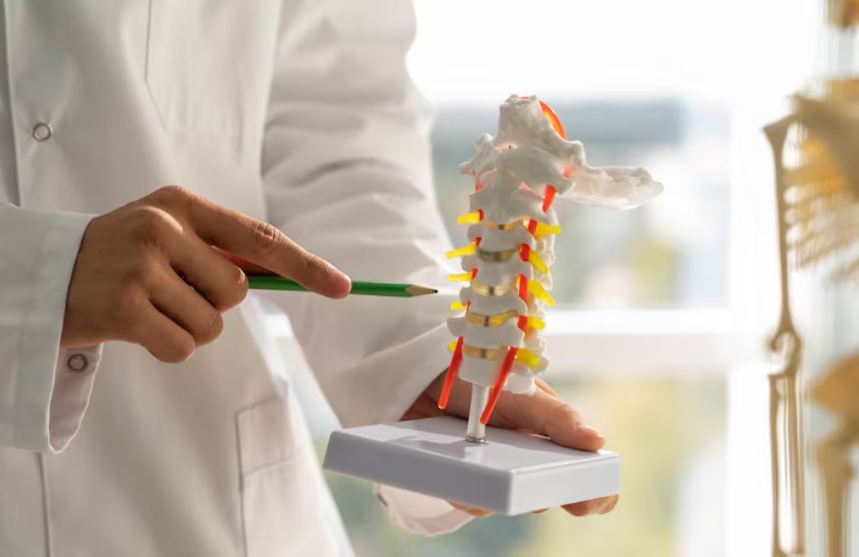
Spinal stenosis is a narrowing of the spaces within the spine. This narrowing puts pressure on the spinal cord and nerve roots.
It commonly affects the lower back, known as lumbar spinal stenosis, though it can also occur in the neck.
Common causes include age-related wear and tear, arthritis, herniated discs, and thickened ligaments pressing on nerve pathways.
Symptoms often include leg pain, numbness, tingling, and weakness. Pain typically worsens with standing or walking and improves with sitting.
Non-Surgical Spinal Stenosis Treatment Options
Most patients begin with conservative spinal stenosis treatment before surgery is ever considered. These methods carry lower risk and shorter recovery time.
Common first-line treatments include:
- Physical therapy to strengthen core and back muscles
- Anti-inflammatory medications to reduce nerve irritation
- Epidural steroid injections to calm inflammation around compressed nerves
- Activity modification to avoid movements that worsen symptoms
- Minimally invasive procedures like lumbar decompression when appropriate
Many patients find lasting relief through these approaches alone, especially when treatment starts early after symptoms appear.
When Does Spinal Stenosis Require Surgery?
Surgery is not the first step for spinal stenosis. It becomes necessary when nerve compression starts threatening long-term function.
Surgery may be recommended if you experience:
- Severe pain that does not improve after several months of conservative spinal stenosis treatment
- Progressive leg weakness that interferes with walking or standing
- Loss of bladder or bowel control, a sign of a medical emergency
- Significant difficulty walking even short distances due to nerve compression
- Imaging that shows severe narrowing pressing directly on the spinal cord
A pain management specialist reviews your imaging, symptoms, and treatment history before recommending surgical evaluation.
Conservative vs. Surgical Spinal Stenosis Treatment
| Factor | Conservative Treatment | Surgical Treatment |
| Pain severity | Mild to moderate | Severe and worsening |
| Nerve symptoms | Occasional numbness or tingling | Progressive weakness or numbness |
| Bladder or bowel function | Normal | Impaired, urgent evaluation needed |
| Walking ability | Manageable with breaks | Significantly limited |
| Response to prior treatment | Improving | No improvement after months |
Steps Before Considering Surgery
- Try physical therapy and activity changes for several weeks to strengthen supporting muscles.
- Attempt epidural steroid injections to reduce nerve inflammation and control pain.
- Reassess symptoms with your doctor to track whether function is improving or declining.
- Get updated imaging if symptoms persist or worsen despite treatment.
- Discuss surgical options only after conservative spinal stenosis treatment has been fully explored.
This gradual approach protects patients from unnecessary surgery while still catching serious cases early.
How Innovative Pain Solutions Can Help
At Innovative Pain Solutions, we specialize in diagnosing and treating spinal stenosis using an evidence-based, minimally invasive approach.
Dr. Rajan Kalia is a double board-certified pain management physician, fellowship-trained at the University of Florida’s Pain Medicine Program.
We serve patients throughout Orlando, Kissimmee, and Leesburg, offering everything from physical therapy referrals to advanced spinal procedures.
Our goal is to help you avoid unnecessary surgery whenever possible while keeping you moving and pain-free.
If leg pain or numbness is limiting your life, call us at 407-284-1993 to schedule a consultation today.
Frequently Asked Questions
Can spinal stenosis be treated without surgery?
Yes, most cases of spinal stenosis respond well to physical therapy, medication, and epidural injections. Surgery is generally reserved for patients whose symptoms do not improve after months of conservative care.
What are the warning signs that spinal stenosis needs surgery?
Warning signs include progressive leg weakness, difficulty walking, and loss of bladder or bowel control. These symptoms suggest significant nerve compression and warrant prompt evaluation by a spine specialist.
How long should I try conservative treatment before considering surgery?
Most doctors recommend three to six months of conservative spinal stenosis treatment before evaluating surgical options, unless severe neurological symptoms appear sooner and require urgent attention.
Is minimally invasive lumbar decompression the same as spinal fusion surgery?
No, minimally invasive lumbar decompression removes tissue pressing on nerves without fusing vertebrae, while spinal fusion permanently joins vertebrae together. Decompression typically involves less recovery time and lower risk.
What happens if spinal stenosis is left untreated?
Untreated spinal stenosis can lead to worsening pain, permanent nerve damage, and increasing difficulty with walking or balance. Early spinal stenosis treatment helps prevent these long-term complications.


