
If you have ever woken up with sharp lower back pain that shoots down your leg, you already know how much a herniated disc can disrupt your life. But what is a herniated disc and why does it hurt so much?
Your spine is made up of bones called vertebrae, and between each one sits a soft, cushion-like disc. These discs act as shock absorbers. Each disc has a tough outer ring and a softer, gel-like center.
When that soft center pushes through a crack in the outer ring, that is called a herniated disc. It can press on nearby nerves, and that pressure is what causes the pain, numbness, or tingling you feel.
It can happen in the neck, but the lower back is the most common spot. Many people describe it as a burning or electric sensation that travels from the back down through the buttocks, leg, or even into the foot. Some people also notice weakness in their leg or foot.
The frustrating part? Sometimes a herniated disc does not cause any symptoms at all. Other times, it can make it nearly impossible to sit, stand, or sleep comfortably.
What Causes a Herniated Disc?
A herniated disc can happen to almost anyone, but some factors make it more likely:
- Age: As we get older, discs lose water content and become less flexible.
- Heavy lifting: Lifting incorrectly puts enormous strain on the lower spine.
- Repetitive movements: Jobs that involve twisting, bending, or driving long hours increase the risk.
- Sitting for long periods: A sedentary lifestyle weakens the muscles that support the spine.
- Genetics: Some people are simply born with a higher risk.
Sometimes there is no single dramatic event. A disc can herniate gradually over time due to years of wear and tear.
Herniated Disc Treatment Options That Actually Work
Here is the good news: most people with a herniated disc do NOT need surgery. In fact, studies show that roughly 90 percent of people improve with non-surgical care within six weeks to three months.
At our clinic, we believe the best treatment starts with understanding your specific situation. Not every herniated disc is the same, and what works for one patient may not work for another.
Physical Therapy and Targeted Exercise
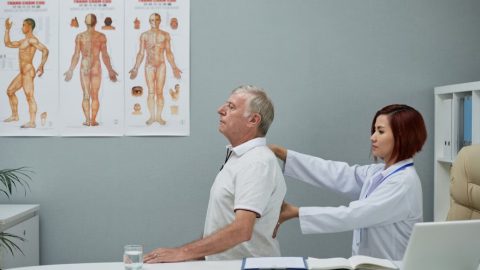
This is often the first and most effective step. A physical therapist works with you to strengthen the muscles around your spine, reduce pressure on the affected disc, and improve your posture and movement patterns.
Done consistently, physical therapy can significantly reduce pain and help you get back to normal activities without any procedure at all.
Medications for Pain Relief
Over-the-counter anti-inflammatory medications like ibuprofen can help reduce swelling and manage pain in the short term. For more severe pain, a doctor may prescribe muscle relaxants or nerve pain medications.
These are not long-term solutions, but they can make daily life more manageable while your body heals.
Epidural Steroid Injections
When pain is severe and not responding to physical therapy or medications, epidural steroid injections can provide meaningful relief. A corticosteroid is injected near the affected nerve to reduce inflammation and calm the pain signals.
This is a minimally invasive procedure that we offer here in Orlando. Many patients experience significant improvement after one to three injections, and it can give them enough relief to participate fully in physical therapy.
Heat and Ice Therapy
Simple, but effective. Ice reduces inflammation in the early stages, while heat can relax tight muscles and improve blood flow. Alternating between the two can offer real day-to-day comfort.
Lifestyle Adjustments
Changing how you sit, sleep, and move can reduce strain on the affected disc. Ergonomic improvements at work, weight management, and quitting smoking (which affects disc health) all play a role in recovery.
Lower Back Pain Treatment in Orlando: How Orlando Pain Solutions Can Help
As a trusted pain management clinic in Orlando, we at Orlando Pain Solutions see patients every day who have been living with lower back pain for far too long, either because they were told surgery was their only option or because they were afraid to seek help in the first place.
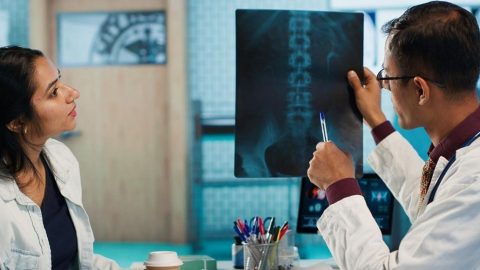
Our approach is different. We start with a thorough evaluation, review your imaging, and listen to your story. Then we build a treatment plan around your life, not a generic protocol.
We specialize in interventional pain management, which means we use the most advanced, minimally invasive techniques to target your pain at its source. Our goal is always to help you avoid surgery if at all possible.
When Is Herniated Disc Surgery Actually Necessary?
Most of our patients are relieved to hear that herniated disc surgery is rarely the first answer. But there are situations where surgery becomes the right call.
You may need to consider herniated disc surgery if:
- You have severe, worsening neurological symptoms like significant leg weakness or loss of bladder or bowel control (this requires urgent attention)
- Your pain has not improved after six or more weeks of consistent conservative treatment
- The pain is so severe that it is preventing you from functioning day to day
- Imaging shows the herniated disc is severely compressing a nerve
Even then, surgery has come a long way. Minimally invasive procedures like microdiscectomy have shorter recovery times and lower risks than traditional open back surgery.
But in most cases, lower back pain surgery is the last resort, not the starting point.
Why Choosing the Right Back Pain Doctor in Orlando Matters
The doctor you choose makes a real difference in your recovery. A pain specialist who understands the full picture, from your anatomy and imaging to your daily life and goals, is better equipped to create a plan that actually works.
At Orlando Pain Solutions, we do not rush to the most extreme option. We work with you step by step, ensuring that each treatment gets a fair chance before we move to the next. We combine our medical expertise with genuine care for your quality of life.
If you have been dealing with lower back pain and want real answers, we are here to help. Book a consultation with us and let us find the right path forward together.
Frequently Asked Questions
Can a herniated disc heal on its own without surgery?
Yes, in many cases it can. The body has a natural ability to reabsorb herniated disc material over time. With proper herniated disc treatment, including physical therapy and pain management, most patients see significant improvement within a few months without any surgical intervention.
How long does herniated disc treatment usually take?
It varies. Many people start feeling better within a few weeks of starting treatment. A full recovery from a herniated disc can take anywhere from six weeks to six months, depending on the severity and how consistently the treatment plan is followed.
Is lower back pain surgery safe?
Modern back surgery, especially minimally invasive techniques, is generally safe with a strong success rate when performed on the right candidates. However, surgery always carries some risk, which is why we recommend exhausting non-surgical options first. Our team will always give you an honest assessment of whether surgery is truly necessary in your case.