Do your legs feel numb for no clear reason? Do you feel a pins and needles sensation that does not go away?
Many people ignore these signs at first. They think they sat too long or slept in the wrong position. Sometimes that is true. But if the numbness and tingling keep coming back, your body may be trying to tell you something important.
One common cause is a herniated disc.
What Is a Herniated Disc?
Your spine is made of small bones stacked on top of each other. Between these bones sit soft cushions called discs. These discs help your back move smoothly. They also absorb shock when you walk, bend, or lift.
Sometimes a disc moves out of place or tears. When this happens, doctors call it a herniated disc.
The damaged disc can press on a nearby nerve. When a nerve gets squeezed, you may feel pain, numbness, or tingling in your legs.
Why Does It Affect the Legs?
Nerves run from your lower back down into your legs and feet. If a disc in your lower back presses on one of these nerves, the pain can travel down your leg. This is often related to sciatica, and many people seek a sciatic nerve pain doctor orlando for proper diagnosis and relief.
You may feel:
- Tingling like small electric shocks
- Numbness in part of your leg or foot
- Sharp or burning pain
- Weakness when you try to stand or walk
Some people feel these symptoms in just one leg. Others may feel them in both.
When Should You Worry?
Occasional tingling that goes away quickly is usually not serious. But you should pay attention if:
- The numbness lasts for days
- The pain gets worse over time
- You feel weakness in your leg
- You struggle to walk or stand
These signs mean you should see a doctor.
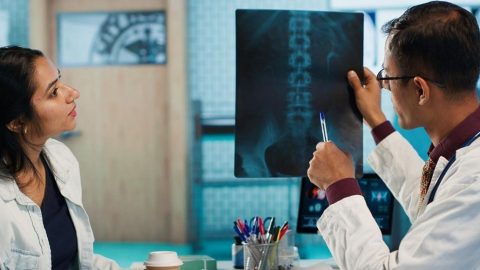
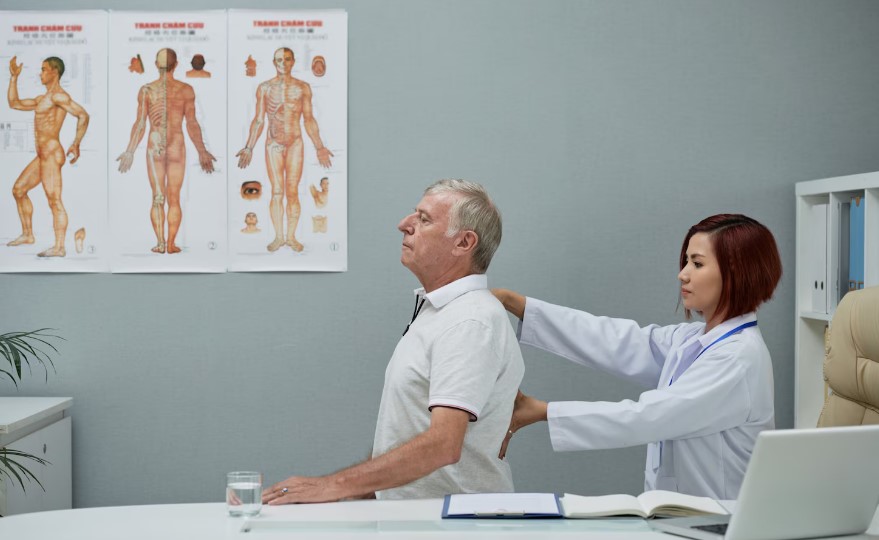
Early care makes a big difference. Doctors can check your spine, ask about your symptoms, and recommend the right steps.
How Doctors Treat a Herniated Disc
Not everyone needs surgery. In fact, many people improve with simple treatments recommended by a pain management doctor orlando, including therapy, medication, and guided exercises.
In some cases, symptoms may overlap with other spine conditions like narrowing of the spinal canal. Doctors may also evaluate whether you need spinal stenosis treatment orlando, especially if pain, numbness, or weakness continues to worsen.
Doctors often suggest:
- Rest and activity changes
- Physical therapy
- Anti-inflammatory medicine
- Guided exercises to strengthen the back
If pain continues, doctors may recommend injections or other advanced care.
The Bottom Line
Many people search for herniated disc treatment in Orlando when their symptoms do not improve at home. Local spine specialists can evaluate the problem and create a clear treatment plan.
Getting herniated disc treatment in Orlando early can help reduce pain and prevent long-term nerve damage. The sooner you treat the problem, the better your recovery can be.
If numbness and tingling continue, do not ignore them. Herniated disc treatment in Orlando focuses on relieving pressure on the nerve and helping you move comfortably again.
Frequently Asked Questions
Can a herniated disc heal on its own?
Yes, in many cases it can improve with rest, therapy, and time. However, some people need medical treatment to relieve nerve pressure.
Is numbness always caused by a herniated disc?
No. Other conditions can cause numbness too. A doctor can examine you and find the exact cause.
When should I seek herniated disc treatment in Orlando?
You should seek care if numbness, tingling, or leg pain lasts more than a few days, gets worse, or causes weakness. Early treatment often leads to better results.