
Many people with a herniated disc feel fine on weekends but struggle once work starts again. There are clear reasons for these flare-ups. When you understand them, you can make small changes that help you feel better. This guide explains why workdays make your herniated disc symptoms worse and how simple habits can support your healing.
Your Work Position Puts Pressure on Your Spine
One of the most common causes of weekday pain is long sitting hours. Most jobs make you sit for long stretches without breaks. Sitting places strong pressure on your lower back. This pressure squeezes the disc and increases inflammation.
The more you sit, the more your herniated disc feels irritated. Your back muscles also get tired because they hold your spine in one position for too long.
Try to stand up every 30 to 45 minutes. Even a short walk helps reduce pressure and keeps your spine relaxed.
Poor Desk Setup Makes Pain Worse
Your chair height, desk level, and screen position can change how your body feels at work. A bad setup forces your neck, shoulders, and lower back to work harder. Over time, this strain causes your herniated disc to flare up.
If your screen sits too low, you lean forward. If your chair offers poor support, your lower back bends in the wrong way. These small habits build up and lead to pain.
A simple fix is to keep your screen at eye level and your feet flat on the floor. Your back should rest on the chair instead of hanging forward.
Work Stress Tightens Your Muscles
Stress does not only affect your mind. It affects your body too. When you feel stressed, your muscles tighten. Tight muscles pull on your spine and create more pressure on the herniated disc.
On workdays, deadlines and long tasks often raise stress levels. This makes flare-ups more likely.
Deep breathing, short walks, or stretching can help you calm your nervous system. A relaxed body protects your spine.
Movement Changes from Weekend to Weekday
Your body likes routine. On weekends, you may move more, sleep longer, or walk around the house. Your spine stays flexible because you use it in different ways.
During workdays, your routine shifts. You may wake up earlier, sit more, or rush through tasks. This sudden change can irritate your herniated disc.
Your spine feels better when you stay active throughout the day. Gentle movement keeps the disc healthy and reduces stiffness.
You May Be Lifting or Twisting Without Noticing
Many jobs include small lifting tasks or twisting motions. These do not feel heavy, but they place strain on your lower back. Even reaching for files, bending to pick something up, or turning too fast can make your herniated disc flare up.
Try to bend your knees when lifting and keep items close to your body. Slow, controlled movements protect your spine from extra stress.
Your Core Muscles Need More Support
When your core muscles feel weak, your lower back takes on more work. This leads to more pressure on the herniated disc.
Sitting all day weakens the core. Over time, this adds up and increases pain on workdays.
Simple exercises like gentle planks, knee-to-chest stretches, or walking can help strengthen your core over time.
You May Not Be Getting Enough Rest During the Week
Sleep helps your disc heal. Your body repairs tissue at night, and deep sleep helps reduce inflammation. If you sleep less during the week, your spine gets fewer hours to recover.
Low sleep leads to more pain, more stiffness, and more flare-ups.
Try to keep a steady sleep schedule on workdays and weekends.
When to Seek Herniated Disc Treatment
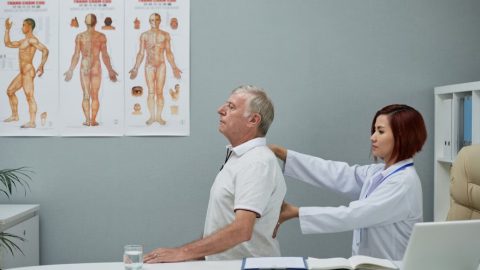
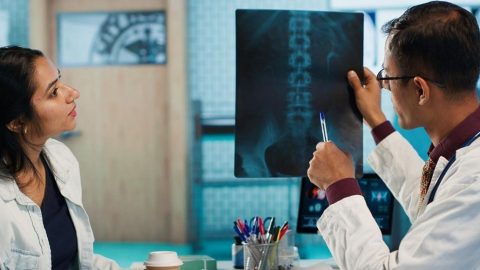
If your pain keeps coming back, it may be time to look into herniated disc treatment. Your doctor can guide you with safe exercises, posture habits, and targeted therapies that reduce irritation.
Treatment options for herniated disc may include physical therapy, epidural injections, regenerative medicine, or simple lifestyle changes. You do not have to struggle through your workweek in pain. With the right care, your spine can heal in a healthy way.
Final Thoughts
Workday flare-ups do not mean your body is failing. Small changes in posture, movement, and stress levels can make a big difference.
You deserve a workday that feels comfortable, steady, and pain-free.
FAQs
Why does my herniated disc hurt more on workdays?
Your back hurts more on workdays because you sit more, move less, and feel more stress. These things place extra pressure on your spine.
Can sitting too long make my herniated disc worse?
Yes. Long sitting puts strong pressure on your lower back. Short breaks, walking, and stretching can help reduce pain.
When should I get herniated disc treatment?
You should seek herniated disc treatment if your pain keeps coming back, gets stronger, or makes daily tasks hard. A pain management specialist can guide you with safe and helpful care.